

Lightyear will produce a more suitable model for the widespread use of solar powered vehicles.
I am sure that the most talked about topic in the automotive industry in the past 5 years is electric vehicles. Being ‘environmental’ and ‘sustainable’ is the main goal of the automobile industry. Automobile brands are the main manufacturers, and there are sub-manufacturers that produce for them, namely suppliers. Let’s not forget the raw material producers who supply materials to the suppliers.
In short, producing automobiles today requires being organized and creating its own ecosystem, as well as being environmentally friendly and sustainable. So, what way of environmentalism do you think goes through electric cars?
A startup called Lightyear had produced a solar-powered car. The car, with a starting price of 250,000 Euros, is limited to only 964 units for now. Tom Selten, the brand’s VP of Business Development,
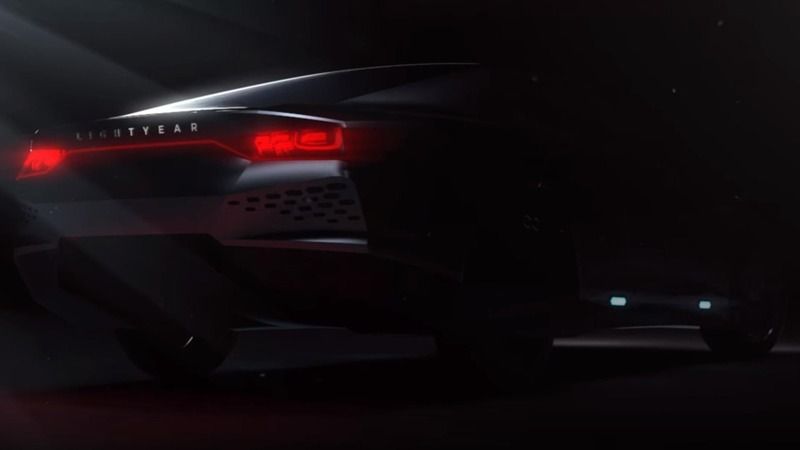
“Lightyear 01 requires 80 percent less charge than a standard electric vehicle. Moreover, you can have twice the range when compared to an electric vehicle using the same battery pack.”
Will solar-powered cars find a place for themselves in the automotive industry? To answer this question, it is necessary to take a detailed look at what kind of car Lightyear 01 is. I must say that the most interesting thing about the car is the coefficient of friction. It should be noted that the Lightyear 01, which has a friction coefficient of 0.19 cd, weighs 1.575 kg. Not bad data for a car over five meters long!
Production of the Lightyear 01 has just begun, and now the entire automotive industry will see how well a solar-powered car works in practice. If it really offers a user-friendly operation as it was launched, we also know that the car will continue.
“Our aim is to increase production volumes to 100,000 units. The Lightyear 02 will be a more accessible and mass-marketed model in both the US and the Asian market.”