

The expansion of electromobility has always been subject to some factors. In some countries, like ours, it is necessary for the infrastructure to grow and also for prices to fall. electric car prices. And it is something that was expected in the long term. In the last decade we have seen how the cost of batteries, its most expensive element, dropped from $1,000 per kWh in 2010 to $141 per kWh in 2021. However, now there has been a increase in battery prices that makes everything wobble.
Even though manufacturers are investing millions in developing the technology and lower production costs, in a recent study it has been seen that the price of batteries increased by 7%. It was the first time it happened and it is mainly due to the increase in cost of materials such as cobalt, nickel or lithium. The first two are down in recent months, but lithium continues to get more expensive due to high demand for batteries. And that the manufacturers’ margins have been lower.
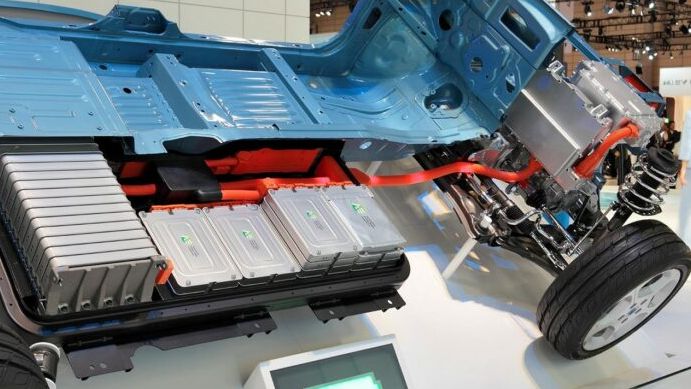
According to the Bloomberg study, the average price of electric car batteries is $138 per kWh. The lowest tariffs are registered in China with 127 dollars per kWh, although in the United States they are 24% more expensive and in Europe they are 33% more expensive. The trend is expected to continue in 2023 and prices will return to be regulated to lower from 2024. It will be when the pressure in the supply chain decreases and when next-generation batteries without those expensive materials are arriving.
So will the affordable electric car continue to be delayed? Everything indicates that yes and that this will not arrive until the batteries are around 100 dollars per kWh. Estimates say that it will be from 2026, two years later than expected. However, currently, we see how premium electric vehicles are almost on a par with internal combustion. Something similar happens with small urban areas in China. Although in Europe it is interesting that the same thing happens with the compact size generalistswhich are the most sought after by the general public.