

At a time when electrification seems like a solution for the future, it draws attention every time we see any other option. For example, many think that sustainable fuels are a viable alternative to extend life of current gasoline and diesel vehicles. Some brands are betting on it and trusting that the authorities will allow them to use them, despite this ban in the making. In fact, some Audi already delivered with R33 sustainable fuels as they leave the factory.
We are talking about blue gasoline and blue diesel that Volkswagen, Bosch and Shell have been developing for a long time. And they are the only ones currently served at Audi’s German plants in Ingolstadt and Neckarsulm. Diesel was already sustainable since March 2021 and now they have incorporated the R33 Blue Gasoline that they want to leave behind the current conventional E10 gasoline. The advantages are more than evident, since its composition is made from 33% renewable components.
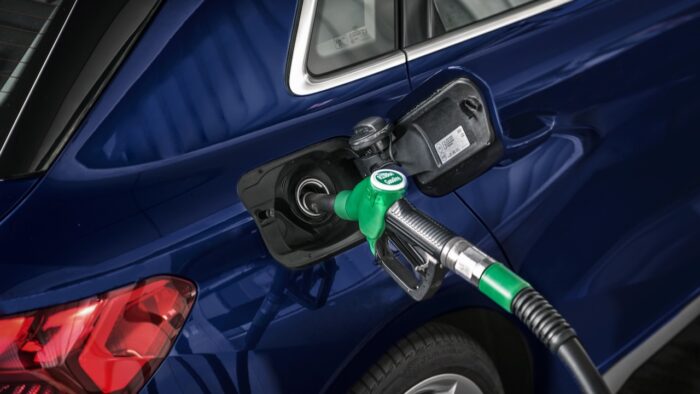
If we focus on the blue gasoline, we see that 10% of its composition is oxygenated fuels (such as ethanol) and 23% is bionaphtha obtained from residual materials such as tall oil (by-product of pulp production). In the case of blue diesel, 26% is renewable paraffinic fuel, the also known HVO and 7% biodiesel. The rest is made up of fossil fuels, but it is already enough to reduce CO2 emissions by at least 20% compared to traditional fuels.
And the good thing about these sustainable fuels is that can be used by production vehicles Audi (and other manufacturers) without making any kind of modification. The blue gasoline complies with DIN EN 228, so it can be used by those who refuel the Super 95 E10. And with diesel EN 590 is complied with, so even the oldest can use it. Both of them meet all safety requirements and are noted for their storage stability and boiling behavior, among other things.