

There are more and more chinese manufacturers that arrive to our continent with newly launched electric vehicles, surprising a large part of the public. A few years ago, this type of car was synonymous with low quality, although times are changing. In fact, many Chinese cars are achieving all five EuroNCAP stars, which are the highest quality standard in Europe. That, along with greatly improved value for money, is changing customer perception.
In recent months we have seen how several of these models passed the strict tests with flying colors from EuroNCAP. The last ones have been some like the NIO ET7 or the Wey Coffee 02, but others like the BYD Atto 3, the ORA Funky Cat or the Lynk & Co 01 succeeded before. Chinese manufacturers have realized that security has a fundamental role for the European customer and aims to earn their trust based on results. A decade ago it was unthinkable that they would get five stars, but now it is clearly not.
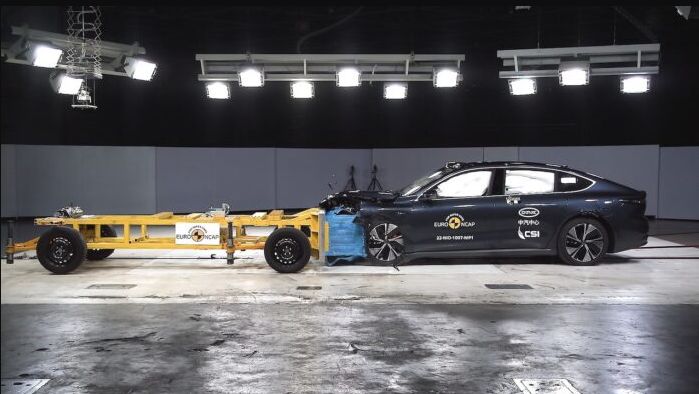
And that opens many doors for these recently launched brands, one of the most sought after is the business channel. Beyond selling to individuals, the Chinese want large companies to acquire their electric vehicles to renew their fleets. In countries like Germany, France and the United Kingdom; this channel represents almost half of total sales and the potential is huge. And one of the requirements of most companies is that the cars they buy have to have five stars.
Another advantage that the Chinese have in this regard is that do not present delays in deliveries that most European manufacturers have. This means that they have a unique opportunity to be able to feed companies almost instantly with safe cars that have a good value for money. In fact, Sixt announced the long-term purchase of 100,000 BYD cars and they will not be the only ones.
So far this year, around 155,000 Chinese cars in Europe (according to Inovev), which is almost double that of the previous year, and almost all of them are electric. This means that they have a share of 5.8% in this type of vehicle on our continent. By 2040 it is estimated that they could be around 40%.