

Using microorganisms is not new in the world. A fungus (yeast) that eats sugars and excretes carbon dioxide has been used for thousands of years to make beer, even before mankind knew what fungi were. And they have an enormous reproductive capacity, Louis Pasteur discovered that in two days 100 yeast cells can multiply into 400,000 million with the right conditions.
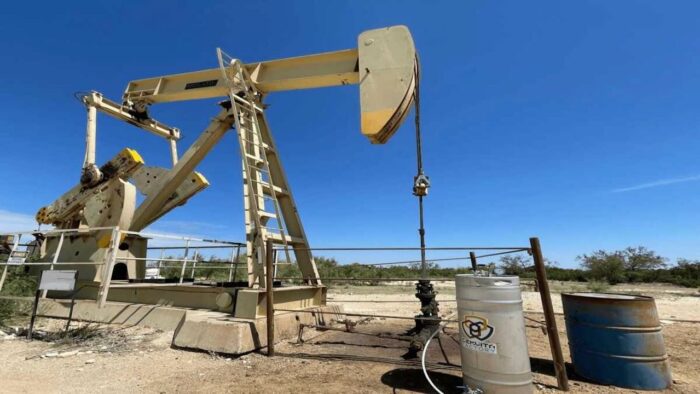
Now, with genetic engineering and artificial engineering, it is possible to take all of this one step further, by deciphering which bits of a microbe’s genetic code is responsible for a particular microbe’s behavior… and powering it. This is exactly what the Texas (USA) company Cemvita is doing, after testing its microbes in the laboratory (and in field experiments), capable of feeding on hydrocarbons in depleted oil wells, where they will eat the remains and excrete hydrogen.
We cannot imagine a microbe throwing out a bowl of hydrogen. After feeding on oil that cannot be exploited, they ferment and sprout from them, without sounds that celebrate the feat.
It would be a fabulous way to take advantage of that oil that is known to be there… but that requires a lot of energy to extract it, sometimes more than can be extracted. Cemvita’s idea is to convert these wells into biological hydrogen farms, which they calculate at a price below one dollar per kilo.
How does it work
The microbes would be pumped into depleted oil wells, using a stream of recycled water. There they would go to “work,” excreting hydrogen and multiplying. The gases would then be captured as they exit the wellhead, separating them into hydrogen (for processing and sale), and carbon dioxide for sequestration. If the thing runs amok underground, inhibitors can be sent into the pit to keep things in check.
According to the law, these are not genetically modified microbes (only their natural capacity is improved). After tests in the laboratory have been tested in a real oil well…where hydrogen production tripled its expectations.
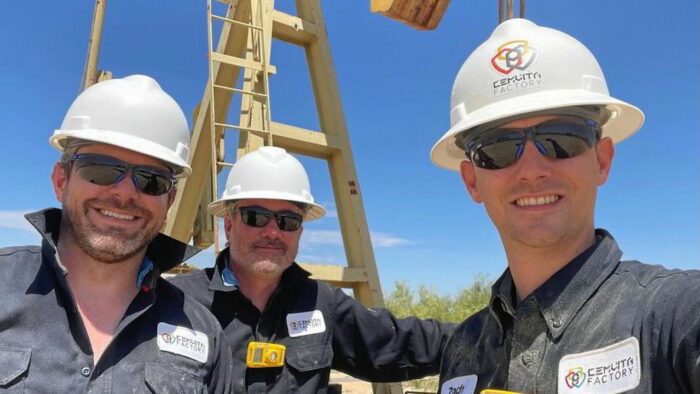
They hope to produce hydrogen at $1/kg or less, which could be one of the cheapest in the world. And beware, there is no lack of raw material: to meet the Paris climate goals, around 60% of known oil reserves will have to remain underground.
Possible brakes? Well, regulators need to be convinced that the microbes are safe and will not cause unintended environmental consequences. And second, that it is not green hydrogen, since it releases carbon dioxide in the process…. rely on carbon capture and storage. Then, either it would be necessary to buy the old disused oil wells or associate with the oil companies (which would not be averse to making a profit on those assets canceled long ago, we suppose).
Will we ever see it on a large scale? It seems early to tell, but of course the technology is fascinating and it seems that it has an interesting financing behind it. In this video they talk about the new golden hydrogen