

One of the quick solutions to avoid range anxiety in electric cars is to put bigger batteries. That is not ideal, since it increases the weight and also the price of the vehicle. What if it could be recharged in as little time as it takes to fill a tank of gasoline?
According to the American Petroleum Institute, refueling with gasoline takes about two minutes on average and there are studies that say it takes even longer. Well then, the startup Swiss Morand plans to offer charging times for electric city cars in just over half that two-minute time. He wants to achieve this with a new electrical energy storage technology, combining traditional batteries and ultracapacitors.
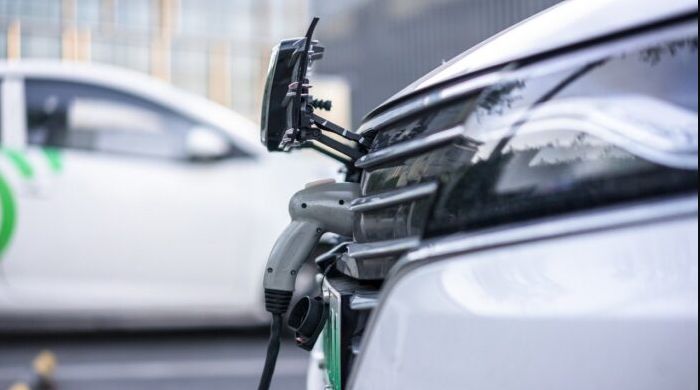
The company’s eTechnology units offer charge rates, while longer than lithium-ion batteries. But where does this company come from? It is the work of former driver Benoit Morand who more than a decade ago developed the first hybrid prototype for the 24 Hours of Le Mans. He now intends to apply hybrid and electric motorsport technologies to more practical everyday solutions.
Morand describes eTechnology as an energy storage solution that combines the characteristics of an ultracapacitor with those of a chemical battery. They ensure that a 7.2 kWh prototype was able to recharge to 80% in just 72 seconds, while 98% in 120 seconds and 100% in 2.5 minutes up to 900 A/360 kW.
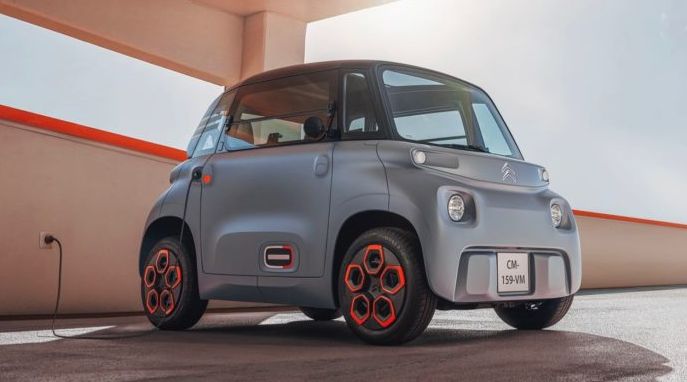
Of course, those 7.2 kWh is a long way from the battery packs of more than 100 kWh that mount cars like the Mercedes EQS, the 83.9 kWh of a BMW i4 or the 82 kWh of a Volkswagen ID.4. Of course, it would be a perfect solution for drones, electric bicycles (which today take hours to recharge and implies buying a spare battery) or quadricycles such as the Citroën Ami and its 5.5 kWh battery.
Morand cites other advantages, such as its efficiency in extreme temperatures and the potential to withstand more charge/discharge cycles. They assure that they have tested the batteries for more than 50,000 cycles, dozens of times more than traditional ones.
Morand says he is working with a manufacturing partner on low-volume production and plans to ramp up production to make electronics technology more cost-competitive with lithium-ion batteries. He is also looking for investors to provide capital to scale up production.